



Martin Luther Darko
Introduction
This thesis is based on an ethnographic research on religious coexistence at the micro level in an ethnically and religiously plural urban community in Madina, Accra, Ghana. The interactions between Christians and Muslims are examined through a health-seeking prism in a Pentecostal health facility. This approach offers a view into a new dynamic in the study of religious coexistence. Using health-seeking as a lens to understand religious coexistence has not been the focus of earlier research. In fact, most studies on religious coexistence do not focus on the day-to-day encounters between these two major Abrahamic religions, but rather cast the relations in a binary dichotomy of peaceful versus conflictual. The majority of these studies on religious coexistence have approached the subject through the lens of inter-faith dialogue, which is often normative, and from the perspectives of missiology and theology.
The Approach and Objectives
The study is based on ethnographic research (participant observation and informal conversations) conducted over 24 months in the Pentecost Hospital and Madina Zongo. The focus of this study is on everyday encounters between Muslims and Christians in a hospital setting: between Muslim clients and patients and their Christian health providers, on the one hand, and between Muslim health workers and their Christian health managers, on the other hand.
The central question of this thesis is how an ethnographic study of health-seeking by Muslims in a Christian-managed health facility, Pentecost Hospital in Madina, can inform and contribute to academic discussions on the everyday practice of religious coexistence in a religiously and ethnically plural urban setting. The following sub-questions are addressed: firstly, what is the status of Ghana’s healthcare delivery system, and what is the role of religious bodies in health provisioning within a secular constitutional arrangement? Secondly, how do Muslim health workers negotiate the heavily Christian hospital setting? Thirdly, what is the rationale behind the institutionalisation of the Morning Devotion-church (1) service/prayer service as part of the medical services provided to clients/patients? Fourthly, how do Muslim women negotiate access to obstetric and gynaecological services with male service providers? Lastly, what motivates the actions of both Christian and Muslim guardians or parents to utilise infant male circumcision services by their religious other?
Synopsis of chapters
In Chapter One, I examine the healthcare delivery system in Ghana, with an emphasis on the options available to residents of Madina. The Ministry of Health is responsible for formulating, regulating, coordinating, and monitoring health policies in Ghana. The overarching goal of the Ministry of Health is to have a healthy population for national development. This task is daunting and overwhelming. It has necessitated inviting the private sector into healthcare delivery. The private sector contributes about 40% of the health needs of Ghanaians. The contribution of the private participation in healthcare delivery is twofold: those for-profit and those for non-profit or mission-based. The activities of the mission-based providers are coordinated by the Christian Health Association of Ghana (CHAG). Even though different Muslim groups offer health and health-related services to some Ghanaians, there is no coordinated umbrella body under which they work, like the CHAG.
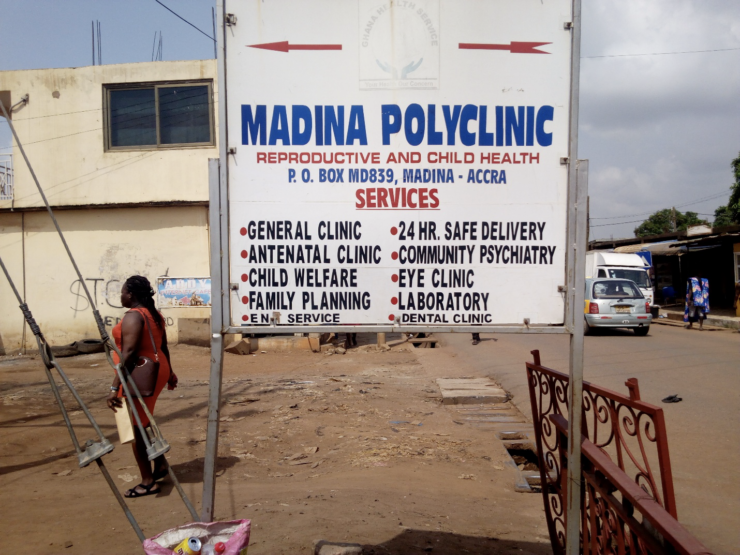
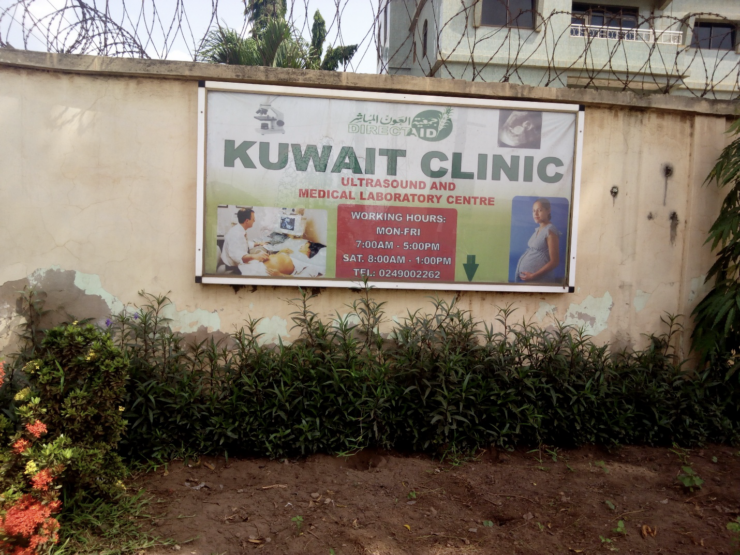
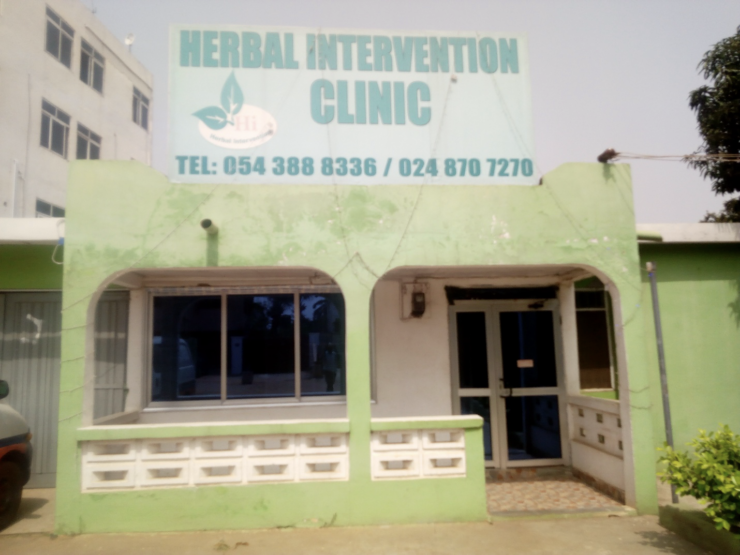
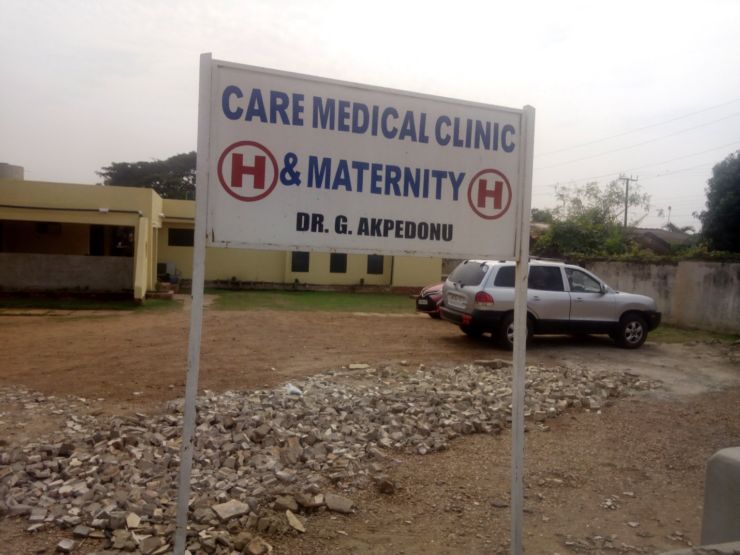

Altogether, Chapter One discusses how the plural medical system operates in Ghana and Madina, and the ensuing conflicts. The plural medical system, as manifested in Madina, indicates that religious coexistence not only pertains to relations between Christians and Muslims, but also to how health institutions and the services they offer organise and manage coexistence. The chapter also shows how Christian health facilities exist side by side with Muslim and indigenous health facilities. The relationship that exists among the various health institutions and actors is at each level characterised by moments of tension. Nonetheless, the institutions and their actors find ways to offer their services to their potential clients.
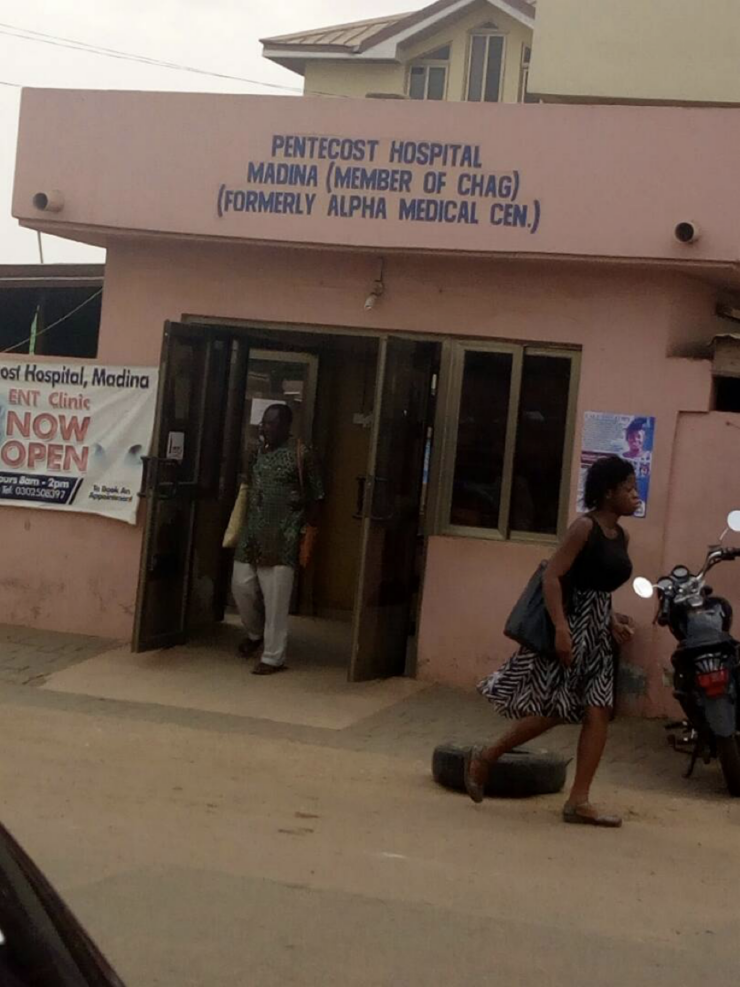
Chapter Two explains how the Pentecost Hospital was established. I explain the hospital’s mission and values, which operate within a visibly predominantly Muslim community. As captured in the hospital’s mission statement, the church, by establishing the hospital, intends to provide health services to the clients and had a proselytising agenda. The chapter analyses religious coexistence in the hospital. From the hospital management perspective, specific provisions have been made architecturally for Muslim clients to pray and access places of convenience. The provision of these ‘permanent essentials’ for Muslim clients and patients (who may only be present at the hospital for a short period of time-transient coexistence), in a permanent hospital architecture while accessing healthcare services, is a testament to the fact that micro-level encounters are imbued with a lot of compromises and intentionality. The hospital employs humanitarian health delivery by paying for the bills of patients who have accessed a service yet are unable to settle their indebtedness to the hospital. The chapter argues that even though Ghana subscribes to a secular constitutional arrangement, it allows religious bodies to establish and run institutions that provide public goods to the citizenry in a manner that runs counter to the secular demands of the constitution, which often creates tensions and conflicts at the micro-level. An important contribution of the chapter to religious coexistence at the micro-level is that, whilst the hospital tries to maintain a strong Pentecost hegemony by ensuring that the church’s identity, values and mission are always projected, it is sometimes forced to compromise on such stands. All said and done, conflicts and tensions are an integral part of religious coexistence on a day-to-day basis.
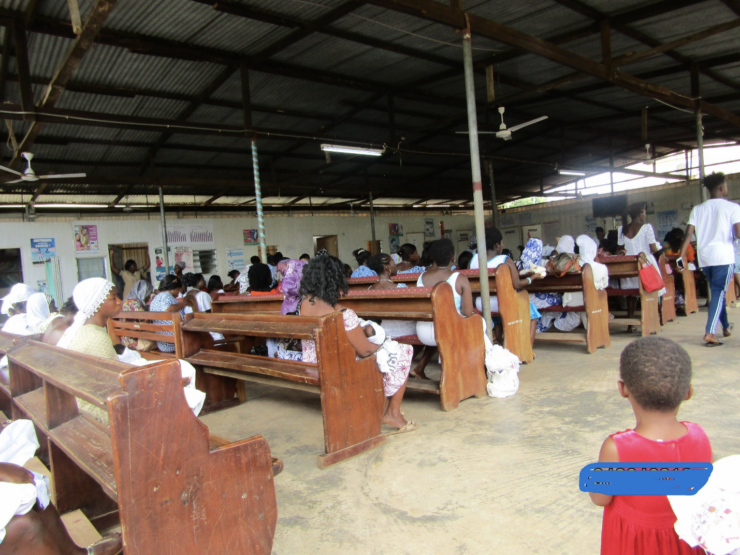
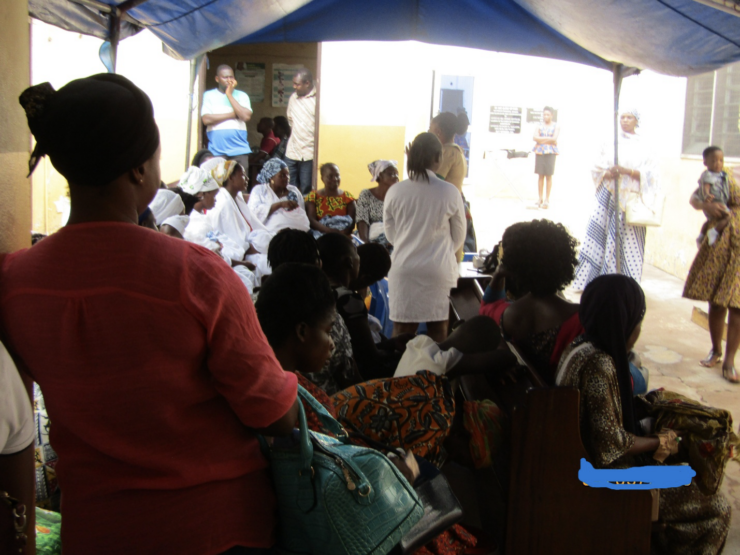
Chapter Three is structured around three themes: 1) the rationale behind the institutionalisation of the morning devotion, 2) the content of the messages preached, and 3) the patients’ responses to the message. The organisation of the morning devotion creates moments of tension in the facility. However, what is relevant is that all the parties involved have found ways of striking a modus vivendi with the Pentecost Hospital. There is a deliberate effort from all parties to coexist – temporarily – irrespective of their religious differences.
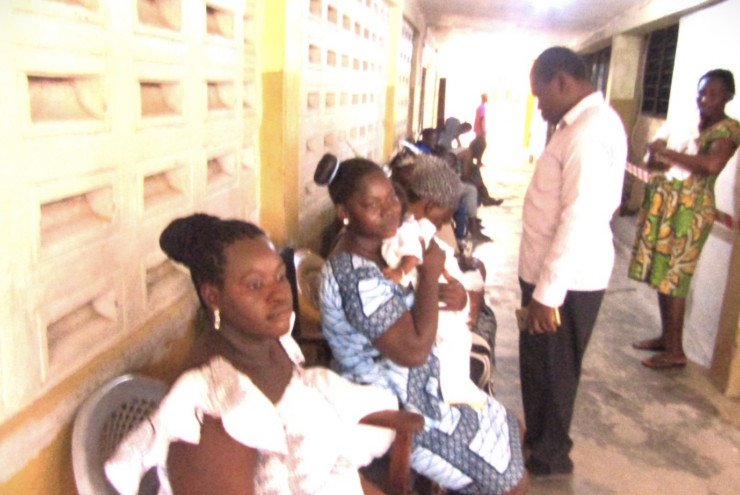
Chapter Four discusses the social and cultural demands within Ghanaian society on both males and females to procreate. It discusses how pregnancy complications bring pregnant women face-to-face with male doctors in the Pentecost Hospital, which creates a discomforting confrontation for these pregnant women (especially Muslims) culturally and socially, and how they invoke pragmatism: ‘darura’ as a modality to navigate such situations. ‘Darura’ is the Islamic principle of necessity, which allows for the violation of Islamic laws (Shari’ah), rules, and obligations to preserve and save life in dire situations. In simple terms, it allows for haram to be halal. And its application is discretionary.
Chapter Five examines how the search for qualitative infant male circumcision allows for the crossing of religious boundaries by both Christians and Muslims guardians and parents. Both Christian and Muslim parents/guardians are of the view that their choices are based on the quality of service rendered and not driven by religious persuasions. What is thus striking in the pursuit of subjecting baby-boys to circumcision in Madina is pragmatism, which underpins the practice of coexistence in Madina. Christian parents or guardians utilise the services of the Muslim circumciser in the Zongo, while Muslim parents or guardians also patronise the services of the female Christian circumciser in the hospital, all driven by perceived quality services from the circumcisers.
Conclusion
In sum, this research argues that religious coexistence may best be analysed through ethnographic research at the micro level. It shows that in Madina, practices of religious coexistence are layered and involve a range of modalities used by both parties when they encounter one another. Deliberate distancing and compromise are the primary strategies employed in practices of religious coexistence within the hospital setting. Importantly, studying religious coexistence at the micro level points to the importance of intentionality: Christians and Muslims act intentionally in their encounters. The implications of such intentional acts challenge earlier suppositions that cast the encounters through a binary lens of conflict and peace. The intention to often allow for ‘sleeping dogs lie’ explains how people negotiate these encounters.
On the broader level, this research demonstrates the benefits of studying religious coexistence beyond the conventional perspective of interfaith dialogue by foregrounding day-to-day encounters in the hegemonic setting of a Christian health facility.
Footnotes
[1] The morning devotion is a prayer and word ministration programme organised by the hospital every Wednesday morning in the hospital before patients are attended to, except for emergency cases. The morning devotion is organised at two different locations within the hospital, that is, the antenatal department (ANC) and at the general out-patients’ department (OPD). The rationale behind the devotion is the belief that there are blood-sucking demons and spirits that can interfere with the pregnancies and well-being of expectant mothers and humans in general, and needed to be warded-off through the prayers so that the expectant mothers will experience free and smooth deliveries.